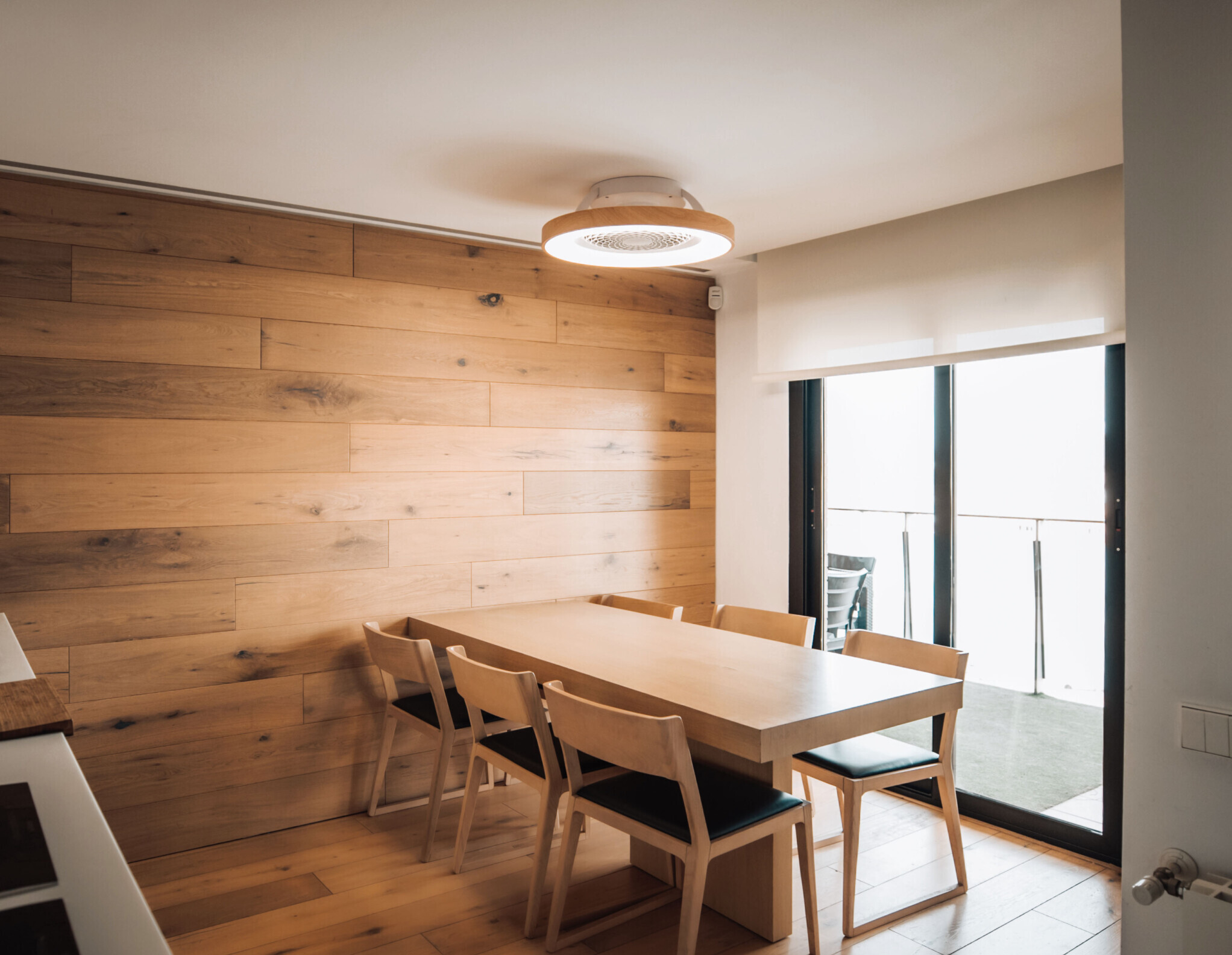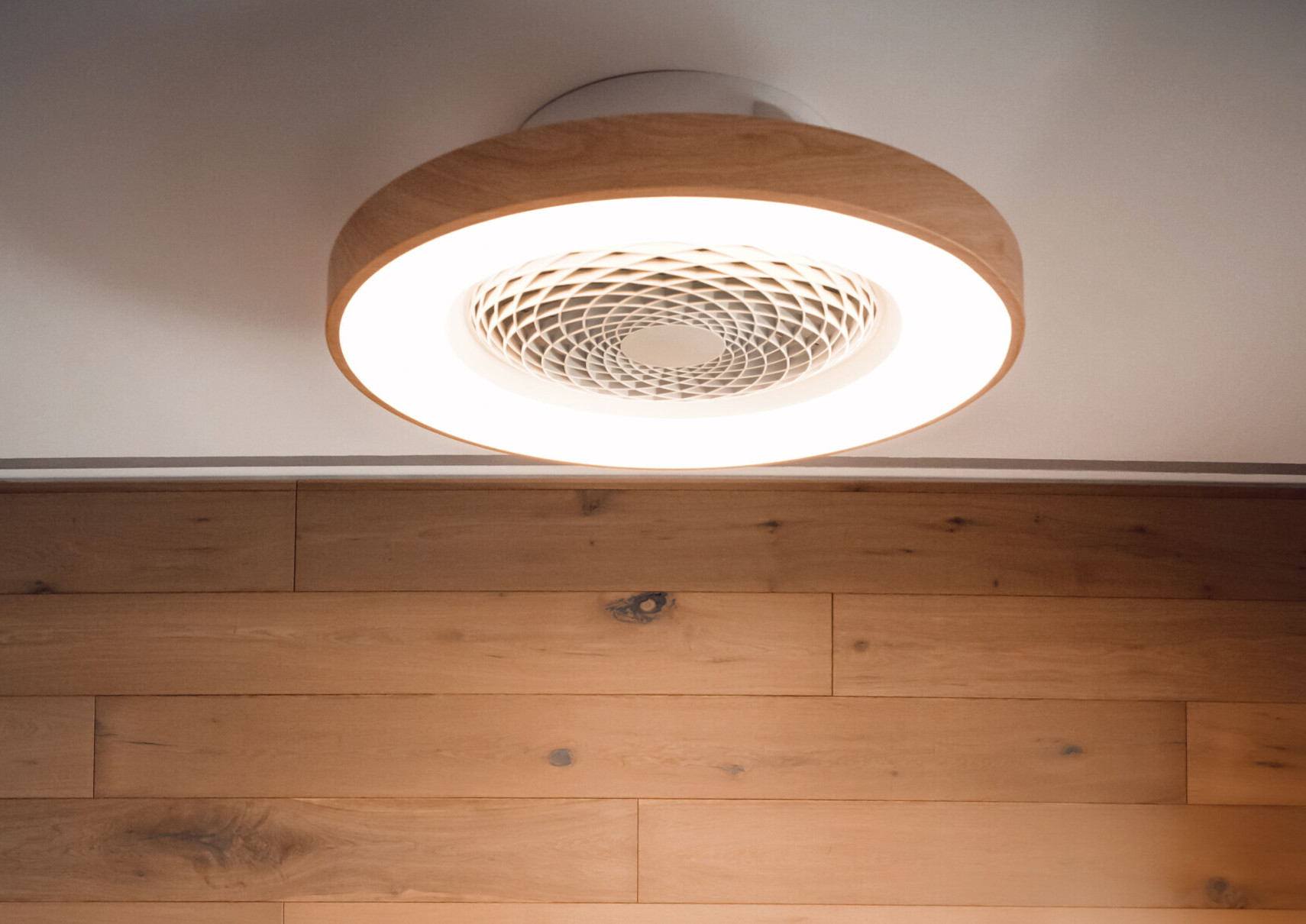


Interview with the design team about the creation of iconic pieces: TIBET Ceiling Fan
— How did the idea for the TIBET ceiling fan come about?
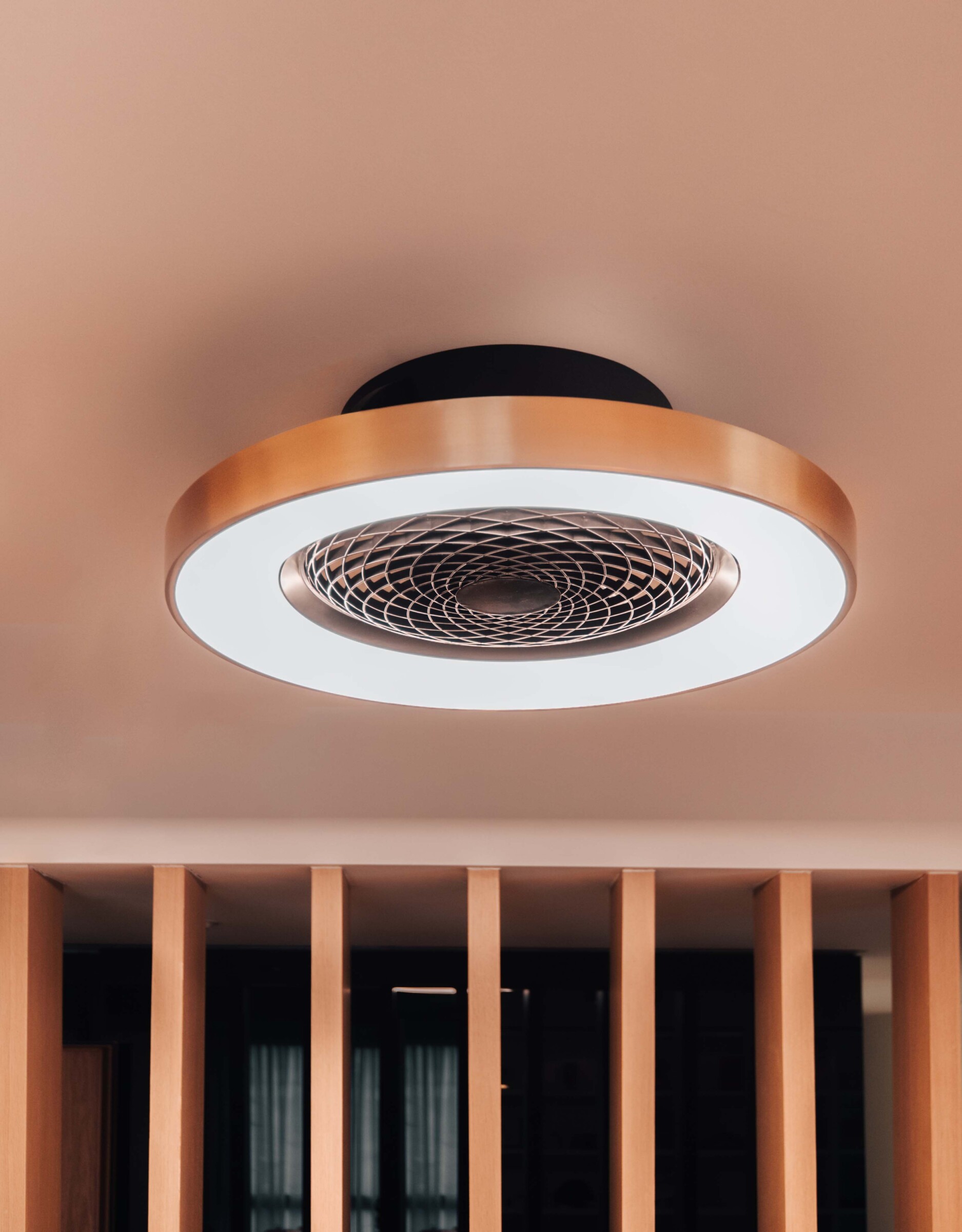
It all started with the intention of offering an integrated lighting and ventilation solution, but with a completely new approach: hiding the blades to create a clean and discreet design. We wanted to offer functionality without giving up aesthetics.
— What makes TIBET an iconic piece in the market?
TIBET was a pioneer in incorporating hidden blades in a ceiling fan, something that didn’t exist at the time. This marked a turning point, as it combined design, efficiency, and visual comfort in a single product.
— What was the biggest challenge in the design process?
Making the ventilation system work efficiently with non-visible blades was a major technical challenge. There were many tests to ensure optimal and silent airflow, while maintaining a compact and elegant shape.
— What sensations did you want to convey with this design?
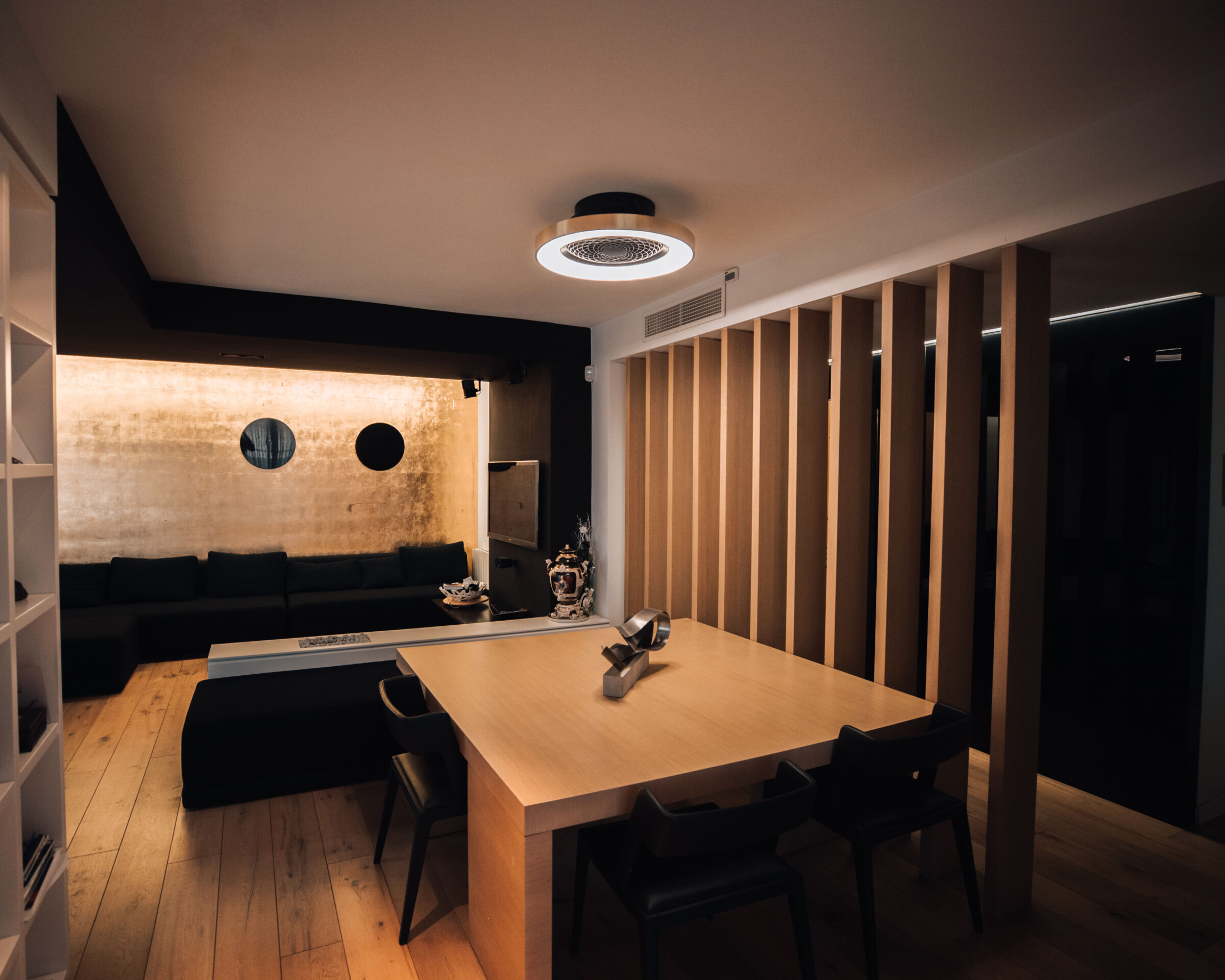
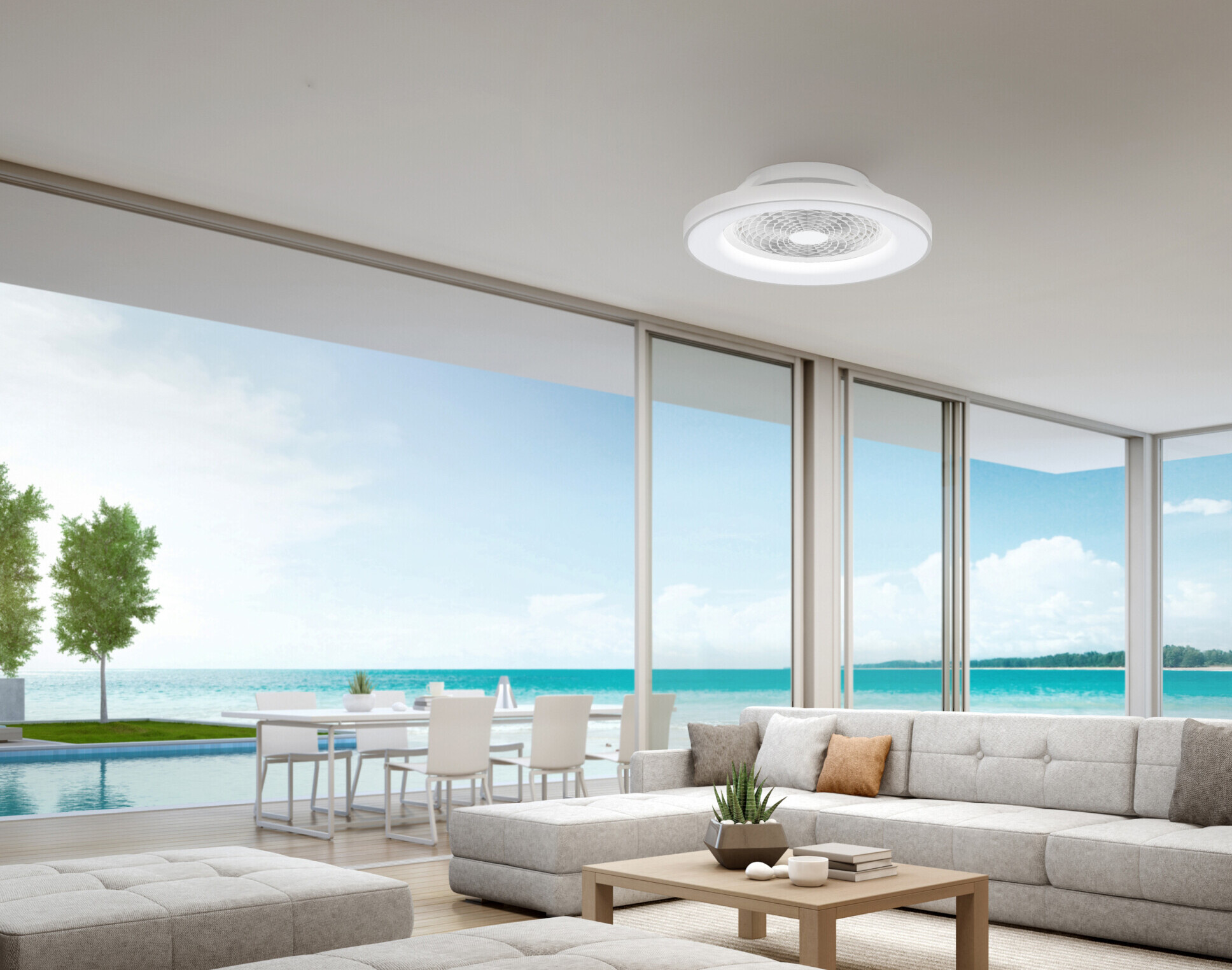
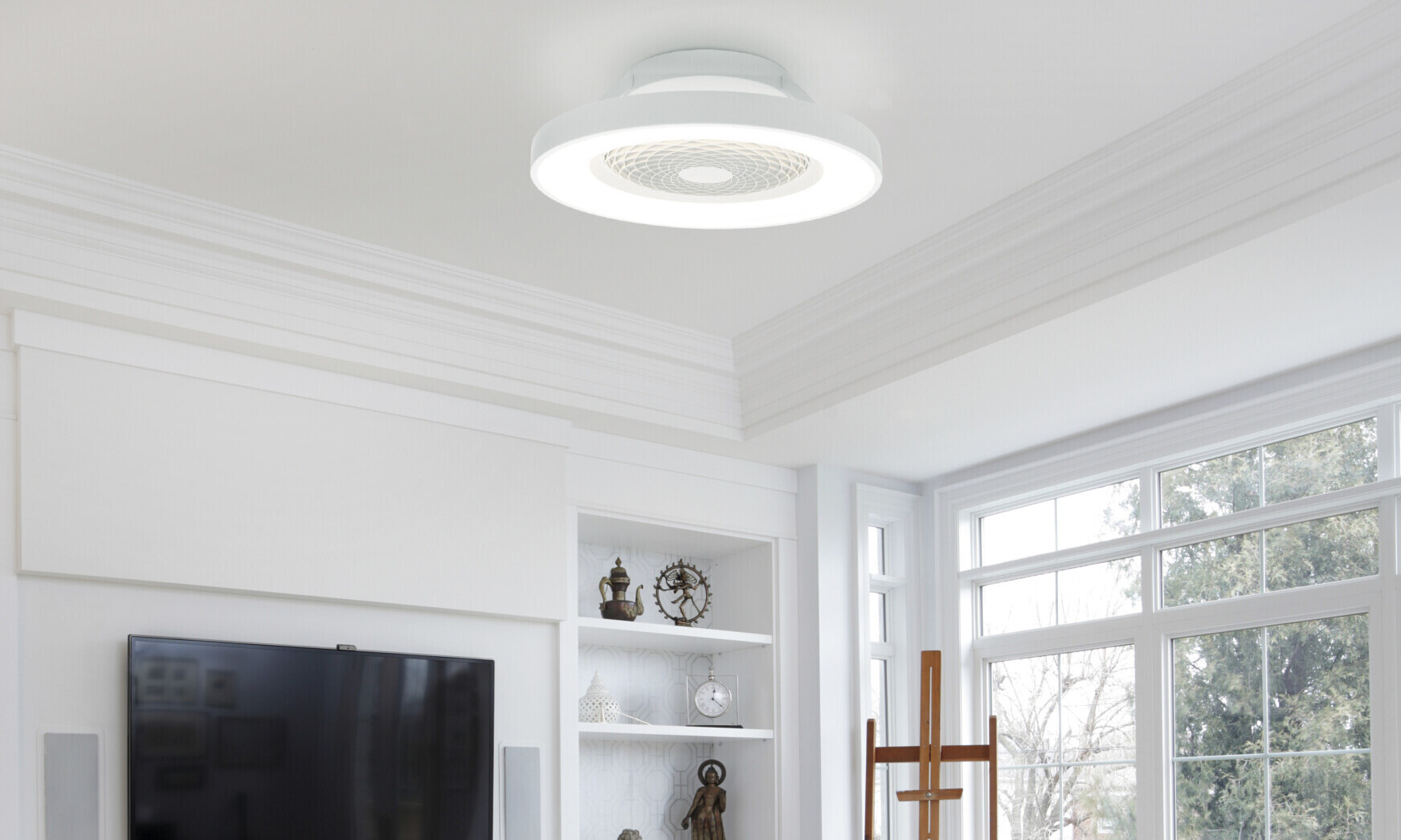
We wanted the user to feel modernity and visual lightness. The ceiling light had to blend into the space without attracting too much attention, but when turned on, surprise with its ability to light and ventilate discreetly.
— What stands out about José Ignacio Ballester’s work on this piece?
His vision was key to revolutionizing the concept of decorative ventilation. Ballester opted for a design ahead of its time, combining technological innovation and minimalist aesthetics, turning TIBET into a reference.